












Winemakers fight to save some of Oregons most coveted wine.
Tad Seestedt of Ransom Wines only uses grapes grown on their own roots in his Oregon wines. He thinks the flavor is better
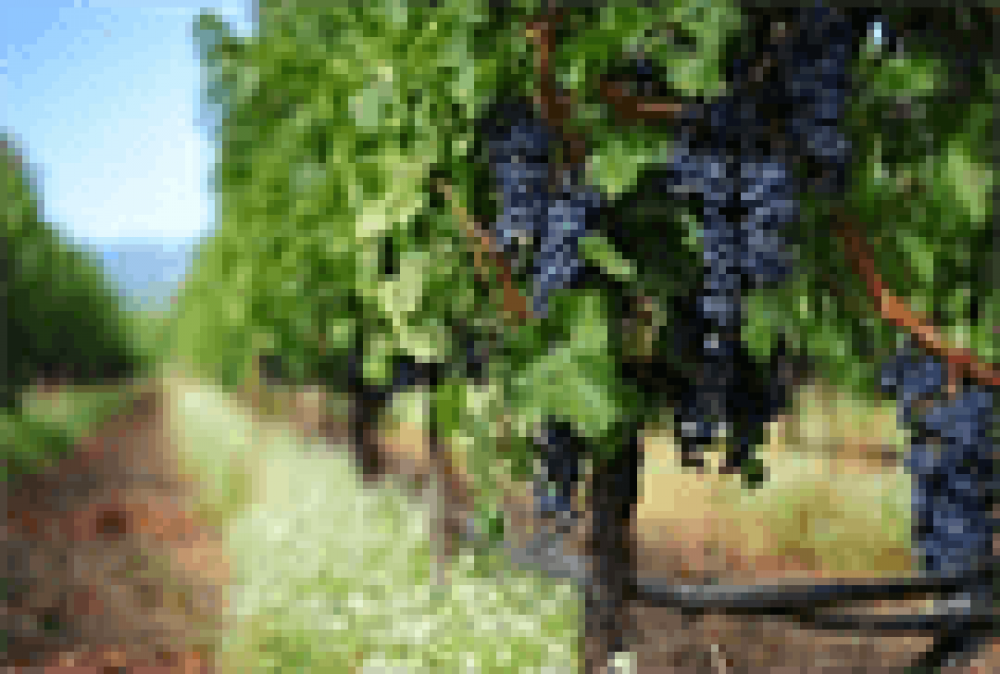
Tad Seestedt knows a winemaker only gets about 40 chances in his career to perfect his craft. Each year, he gets one shot with the grapes he grew or bought.
It seems those odds just weren't long enough. Seestedt's company, Ransom Wine, relies on one of the riskiest business models in the wine industry. He is constantly one insect away from losing at least one of his shots.
He sources all his grapes from vines that are the most susceptible to phylloxera, a pervasive pest that plagues Oregon vineyards. The nearly-microscopic yellow louse lives at the bottom of a vine and chomps on the roots and leaves, eventually cutting off nutrients and water to the plant. Death comes sometimes slowly, sometimes quickly, but once phylloxera gains a foothold, it's nearly impossible to stop.
If the pest takes hold in one of the fields Seestedt buys grapes from, his business could be significantly hurt. But, it's worth it, he thinks, for the taste of vines grown on their own roots.
"The vineyards that I always found to be my favorites and to make the best wine are from vines that are on their own roots," Seestedt said.
In Oregon, when people talk about vines grown on their own roots they mean old vines. Nearly all the grape vines planted since the late 1980s are grafted onto a few types of rootstock that are supposed to be phylloxera resistant. Those grapes now make up most of the state's wine.
Vines under siege
Joe Dobbes bought his Perrydale vineyard in 2006 because it was a good price. The grass growers who planted it in the late 1990s and maintained it for years had done a poor job, but the winemaker saw potential. It's spread over two hills in the Van Duzer corridor of the Willamette Valley, where ocean breezes turn into gusts as they are funneled through the hills. A creek runs between the two slopes of the vineyard, making a valley to separate the fields.
Timeline speeds up
Their costs might increase faster than planned.
On that May afternoon, Dobbes drove through the fields pointing out the roots that stick out for not having long brown vines that are starting to spurt green leaves. Then, he drove across the road to his other fields and everyone in his car gasped. These vineyards weren't slated for replacement for years, but there are spots where not a single plant is growing anymore.
Still, tending vines on their own roots is worth the gamble.
"The old vines have wisdom," Dobbes said. "There aren't old grafted vines in Oregon."
-- Molly Harbarger
Image courtesy and full article can be found at source http://www.oregonlive.com/food/2016/06/some_of_oregons_most_coveted_wine.html